
A customer shipped 200 polycarbonate enclosures for outdoor IoT sensors in a coastal city. Four months later, the clear PC enclosures yellowed to a tea-stained amber color, the surface chalked, and the impact strength of recovered samples dropped by about 40%. The PC structure itself was not the problem—UV was the killer. This article provides a step-by-step guide on how to select base resins, additive formulations, and surface strategies to ensure parts truly last ten years in the sun.
How UV Truly Destroys Polymers
Ultraviolet photons with wavelengths of 290–400 nm carry 70–100 kcal/mol of energy—enough to break C–H, C–C, and C–O bonds in most thermoplastics. Field failures are primarily dominated by three reactions: chain scission reduces molecular weight and embrittles parts; photo-oxidation allows oxygen to attack radical sites and form chromophoric carbonyls (which cause the yellowing you see); and photolysis of aromatic rings in PC, ABS, and PU produces quinone structures that absorb visible light. Heat and humidity amplify the rates of all three simultaneously.
Different polymers fail in different ways. Aliphatic resins like PMMA and PVDF, lacking aromatic structures to absorb UV, degrade slowly. Aromatic resins like PC, ABS, and PET strongly absorb at 290–340 nm and will yellow rapidly without protection. Understanding the dominant mechanism determines whether you should choose HALS formulations, UV absorbers, pigments, or simply switch the base resin.
UV-Resistant Plastics Family
The table below summarizes the inherent UV behavior, mechanical properties, and price range of outdoor-grade resins. The numbers are for unstabilized base grades—additive formulations can vary lifespan by 3–5 times.
| Resin | Inherent UV Resistance | Tensile (MPa) | Operating Temp (°C) | Relative Cost | Best Use |
|---|---|---|---|---|---|
| ASA | Excellent | 45–55 | -30 to 85 | 1.3x ABS | Automotive trim, enclosures |
| PMMA (Acrylic) | Excellent | 65–75 | -40 to 80 | 1.5x ABS | Skylights, signs |
| PVDF | Superior | 35–55 | -40 to 150 | 6–8x ABS | Architectural films, chemical tanks |
| FEP / PFA | Superior | 20–30 | -200 to 200 | 12–20x ABS | Solar backsheets, optical parts |
| UV-stabilized PC | Good (with HALS) | 60–70 | -40 to 120 | 2x ABS | Lenses, glazing (requires coating) |
| UV-stabilized ABS / PC-ABS | Fair | 40–50 | -30 to 90 | 1.1–1.5x ABS | Shaded outdoor parts |
| UV-stabilized PP | Fair–Good | 25–35 | -20 to 100 | 0.9x ABS | Outdoor furniture, pallets |
Accelerated Aging Standards Cited by Suppliers
Procurement specifications often refer to accelerated aging chamber tests, as no one waits five real years to qualify a resin. Two major equipment families dominate: xenon arc chambers (full-spectrum, expensive, closest to natural sunlight) and fluorescent UV chambers (UVA-340 lamps, cheaper, harsher on aromatics). Be careful when converting chamber hours to field years—a common conversion factor is about 1 hour ≈ 1–2 days, but it varies by resin.
| Standard | Light Source | Cycle | Typical Pass Criteria | Failure Hours (Unstabilized PC) | Failure Hours (ASA) |
|---|---|---|---|---|---|
| ASTM G154 Cycle 1 | UVA-340 Fluorescent | UV 60°C 8 hours / Condensation 50°C 4 hours | ΔE<3, no chalking | 300–500 | 3000+ |
| ASTM G155 Cycle 1 | Xenon Arc Lamp | 102 min light / 18 min light+spray | ΔE<3, gloss>50% | 600–900 | 4000+ |
| ISO 4892-2 Method A | Xenon Arc Lamp | Continuous, 0.51 W/m²·nm | Gray scale grade 4 or higher | 700–1000 | 4500+ |
| ISO 4892-3 | UV Fluorescent | UVA-340, 4h/4h cycle | No cracks after 1000 hours | 400–600 | 3500+ |
| SAE J2527 | Xenon Arc Lamp, Automotive | Corresponds to Florida exposure | Typically 2500 kJ/m² | Fails | Passes |
Stabilizer Chemistry—Choosing the Right Formulation
There is no universal UV additive. HALS, UV absorbers, and pigments act at different levels of the photo-oxidation cascade, and the best formulations usually combine two to three. Individual additive amounts are typically 0.1–2 wt%; excessive amounts are wasteful and reduce transparency.
| Method | Mechanism | Typical Addition Amount | Applicable to | Limitations |
|---|---|---|---|---|
| HALS (Tinuvin 770/622) | Free radical scavenger | 0.1–0.5% | PP, PE, PU, TPO | Deactivated by acidic pigments/sulfur |
| Benzotriazole UVA | UV absorption 300–380 nm | 0.2–1.0% | PC, ABS, PMMA, PET | Slightly yellow at high concentrations |
| Benzophenone UVA | UV absorption 280–340 nm | 0.1–0.5% | Low-cost PE, PVC | Volatile, leaches out |
| Carbon Black (N550) | UV block + radical sink | 1–3% | Non-aesthetic parts | Only for black parts |
| TiO2 (Rutile) | UV scattering pigment | 2–5% | White outdoor parts | Chalks if anatase form |
| Inorganic Pigments | Opaque blocking | 1–3% | Colored PP, PE | Limited color gamut |
| HALS + UVA Combination | Synergistic effect | 0.5 + 0.3% | High-end outdoor PC, PA | Highest cost |
Thickness, Color, and the Reality of Beer-Lambert Law
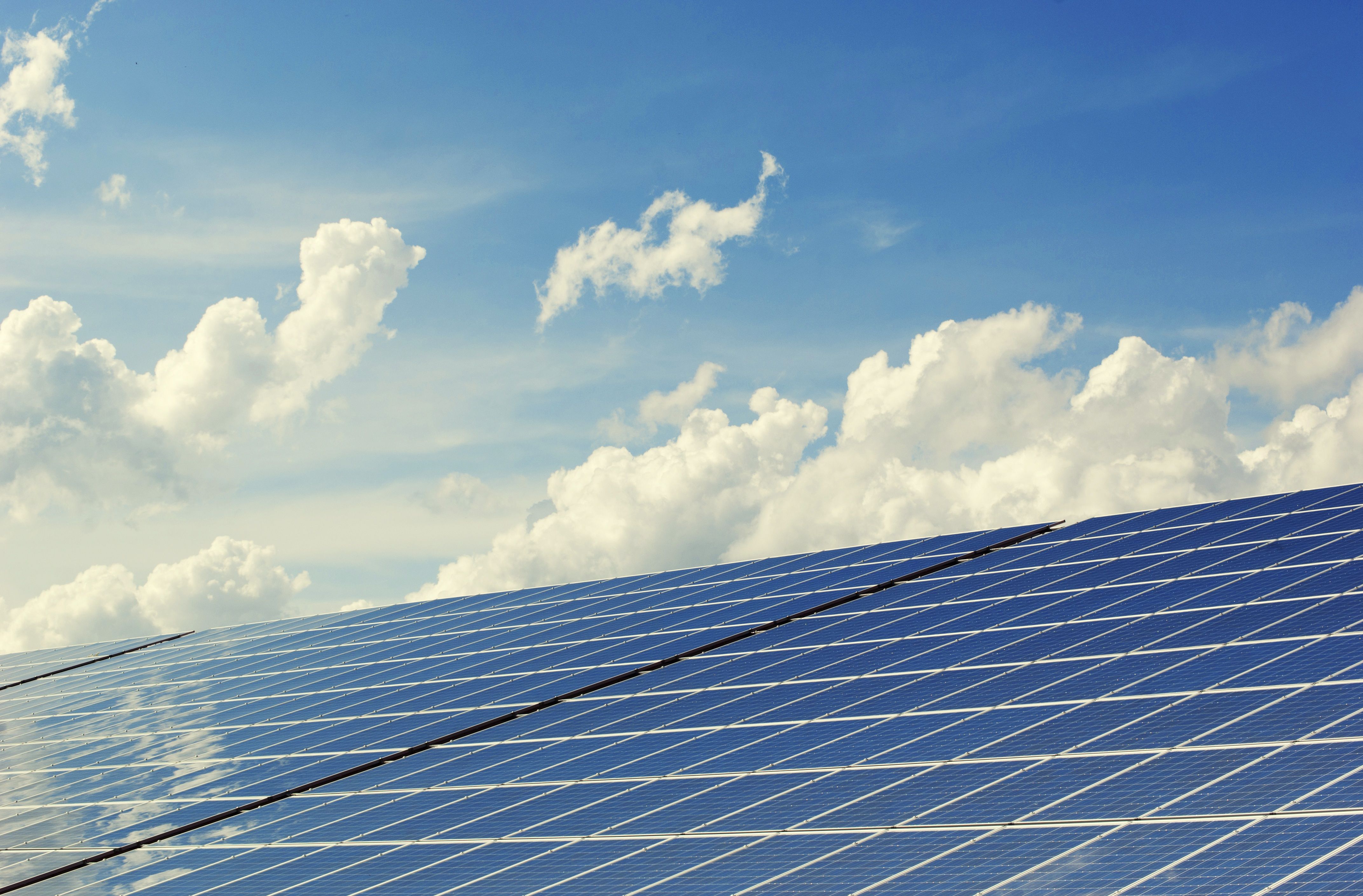
UV penetration follows the Beer-Lambert law: a 3 mm thick ASA sheet may absorb 95% of incident UV in the outermost 200 µm, leaving the bulk relatively safe. This is why thin-walled parts (<1.5 mm) and films fail faster than thick parts—there is less material to sacrifice. Pigment selection is as important as thickness: reds and yellows often fade significantly before the substrate fails, while carbon black, TiO2, and certain iron oxides can extend lifespan by orders of magnitude.
Key design actions: For any UV-critical part, before locking in thickness, run 1000-hour ASTM G154 tests on 1 mm and 3 mm samples for comparison. For masterbatch specifications, in addition to Pantone, specify lightfastness ratings (BWS Grade 6 or higher for outdoor use), don't just specify color. For overmolded parts, a 0.3 mm sacrificial layer can be added on top of the core material.
When Resin Cannot Be Changed: Coating Solutions
Sometimes you cannot change the resin—molds are already made, parts require PC transparency, or regulatory certifications are tied to specific grades. In such cases, coatings offer a second line of defense. A 25–50 µm two-component polyurethane (2K-PU) topcoat containing HALS and benzotriazole UVA can extend the outdoor life of unstabilized PC from 6 months to over 7 years. For glazing, hard silicone (sol-gel) coatings like Momentive AS4000 or SDC MP-101 can be used, offering both abrasion and UV resistance. For non-optical parts, a cheaper acrylic-modified polyurethane can be employed.
Coatings in field failure typically start with adhesion issues. For low surface energy substrates (PP, PE, PVDF), plasma or flame treat before painting. Run ASTM D3359 cross-hatch tests to achieve 4B or better for each batch, and require coating manufacturers to provide ASTM D870 humidity and thermal cycling data. Specifications should include edge wrapping to prevent UV from penetrating under the coating from the part edges.
Applications—Three Real Outdoor Case Studies
Case 1: Road Sign Panels (10-Year Outdoor Specification)
A highway authority required reflective sign panels to achieve 10 years of color retention (ΔE<5) and -20 °C impact survival. We compared cast PMMA sheets, injection-molded ASA, and hard-coated PC. Cast PMMA sheets with BWS 7 pigments outperformed in optical clarity and weather resistance—8000 hours of xenon arc showed ΔE 2.1—at about 1.5 times the cost of PC. Even with hard coatings, PC lost 60% of its impact strength by the third year; ASA passed the test but its optical depth could not be matched with the reflective film bonding process.
Case 2: Automotive Exterior B-Pillar Trim
A Tier-1 supplier switched piano black B-pillar trim from painted ABS to ASA + PMMA overlay (50 µm) in-mold decoration. Painted ABS chalked at 1500 kJ/m² in SAE J2527; the ASA/PMMA overlay passed 2500 kJ/m² with gloss retention >85%. Eliminating the painting line reduced total cost by 22%, and warranty claims for fading in the first year were almost zero.
Case 3: Solar Junction Box Enclosures
Solar junction boxes are located on the back of modules, enduring roof-reflected UV plus 85 °C operating temperatures for 25 years. The original design used PPO/PA alloy with carbon black and HALS. We revised the specification to glass-fiber reinforced UV-stabilized PPE/PS alloy with 1% carbon black + 0.4% HALS, achieving UL 746C f1 outdoor rating after 1000 hours of xenon arc plus 720 hours of humid heat. PVDF was only considered for gasket interfaces—the entire enclosure made of PVDF would triple the BOM cost without substantial improvement in lifespan.
Do's and Don'ts—UV Design Quick Checklist
| Do | Don't |
|---|---|
| Specify resin grades with suffixes (e.g., ASA-UV, PC-UV2) | Assume "outdoor" means it's certified |
| Request ASTM G155 or ISO 4892 aging chamber data | Accept supplier marketing claims without test reports |
| Prioritize carbon black or TiO2 if color allows | Use fluorescent or pastel pigments for >5 years outdoor use |
| Use HALS + UVA combination for aromatic resins | Rely solely on a single additive for PC, ABS, PU |
| Use 2K-PU and surface treatment for parts with fixed resins | Spray solvent-based paint directly on untreated PP or PVDF |
| Test 1 mm samples before reducing wall thickness | Reduce wall thickness to save cost without re-testing UV life |
| Perform cross-hatch test (ASTM D3359) for each coating batch | Ship coated parts without adhesion QA |
Common Mistakes in RFQs
| Mistake | Why it's Harmful | Better Practice |
|---|---|---|
| Specifying "UV-stabilized PC" without a grade | Additive formulation undefined—supplier chooses cheapest | Clearly specify grade (e.g., Makrolon 2407, Lexan 9034) |
| Using indoor ABS directly for outdoor enclosures | Unprotected ABS yellows in 6–12 months | Switch to ASA or protect with 2K-PU coating |
| Believing 1000 hours of xenon arc equals 10 years | Conversion varies by region and pigment | Set up real outdoor exposure racks at the actual deployment site |
| Adding HALS to PVC | Acidic HCl released by PVC deactivates HALS | Use only UVA or change base resin |
| Painting PP without flame treatment | Coating peels off within 6 months | Flame or plasma treat before priming to >38 dyne/cm |
| Choosing red or orange masterbatch for outdoor parts | Most organic red pigments have BWS only 4–5 | Switch to inorganic iron oxide red, BWS 7 or higher |
| Ignoring stress whitening under UV | Residual molding stress accelerates UV cracking | Anneal critical parts and avoid sharp corners |
Pre-Specification Checklist
Before issuing drawings or RFQs, go through this checklist. Each item corresponds to a real failure mode we have debugged in the field. Any "No" answer should be considered a stop-work until the gap is addressed.
- Have target lifespan (years), exposure latitude, and installation orientation (vertical / horizontal / angled) been defined?
- Has the base resin family and specific grade with UV-stabilized suffix been selected?
- Has the additive formulation—HALS, UVA type, carbon black or TiO2 content—been specified in the BOM?
- Have outdoor-grade pigments with BWS lightfastness grade 6 or higher been chosen?
- Is wall thickness set at ≥1.5 mm, or are thin-walled sections protected with a sacrificial overlay?
- Have ASTM G155 / ISO 4892 aging test reports and pass criteria (ΔE, gloss, impact) been requested?
- Has the coating route (none / 2K-PU / silicone hardcoat) and surface treatment specification been decided?
- Are plans in place to install real outdoor exposure samples at the actual deployment site for corresponding validation?
Design Takeaways
UV-resistant plastic design is a layered engineering problem: first, select a sunlight-friendly base resin, then layer on an HALS + UVA formulation compatible with its chemistry, and finally use pigments and thickness to control how much UV actually penetrates the material. When resin replacement is restricted by other conditions, correctly applied 2K-PU or silicone hardcoats can provide the order of magnitude of lifespan you need. Every decision must be validated with aging chambers and real exposure—accelerated tests guide the direction, but samples on the rooftop tell the truth.


0 comments