
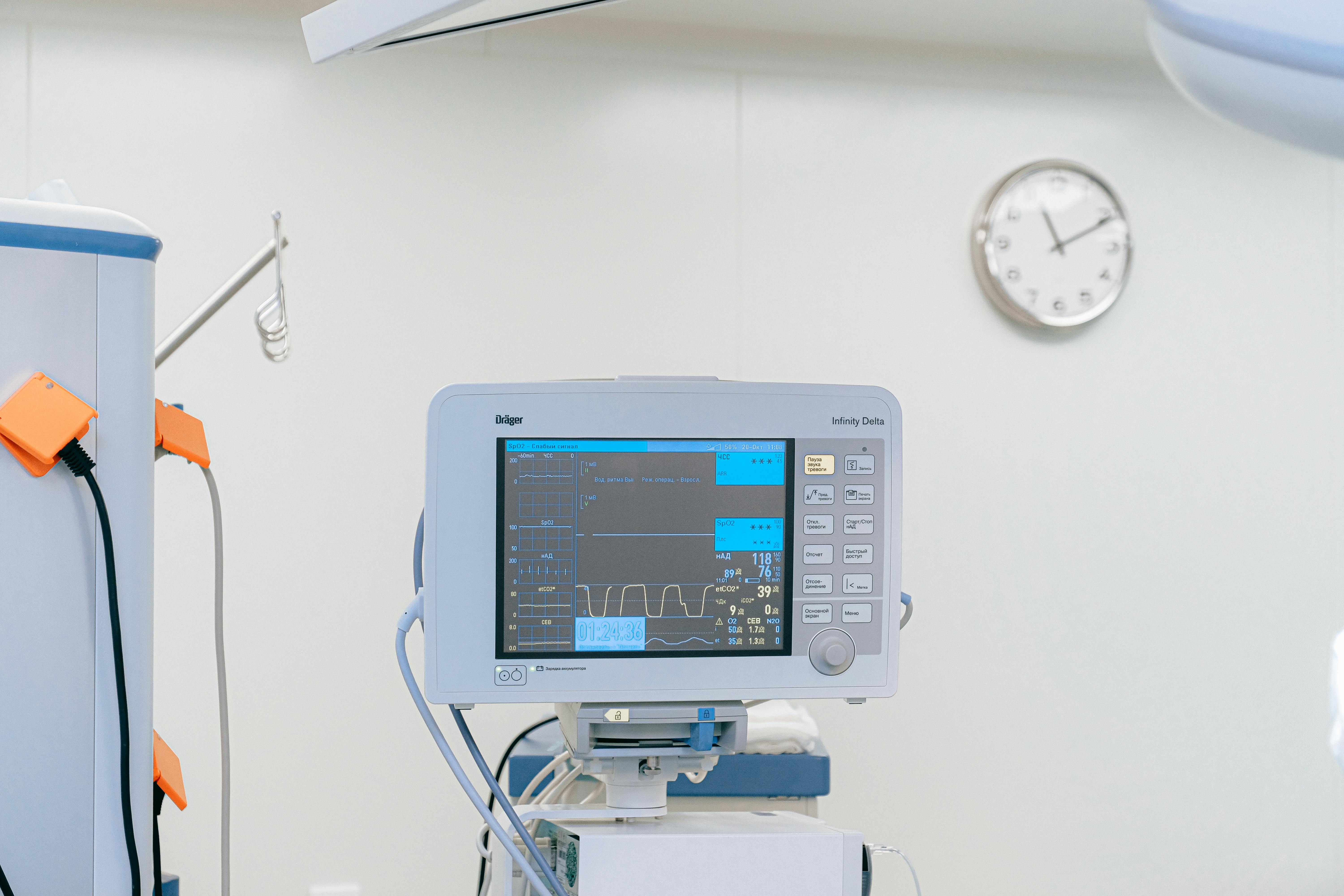
The fate of a 2026 medical device development project is decided in the second week of design. By then, the team has either selected a material with existing ISO 10993 biocompatibility data, and chosen a sterilization cycle that the selected polymer can truly withstand, or they've picked a resin based on appearance and will then face a new biocompatibility test costing USD 180,000 and a six-month calendar slip before they can submit a 510(k). The truly important design action: freeze the sterilization method before freezing the resin, because each resin performs differently under EO, gamma, steam, and e-beam—and that resin that cracked after the third cycle was sold to you under the guise of being medical grade. The rest of the project—510(k) or De Novo or PMA, ISO 13485 design history files, MDR technical documentation, design verification on clinically representative samples, risk management according to ISO 14971, usability engineering according to IEC 62366-1—all flows from those three early decisions: indication, material, and sterilization. Medical prototyping and low-volume manufacturing is a craft that answers those decisions with cheap, early evidence before you pour USD 240,000 into multi-cavity molds.
FDA, MDR, PMDA Pathways Dictate Your Timeline
The regulatory pathway isn't a final stage gate—it's a design input that changes what prototypes you make and what data you collect. A Class II device following FDA 510(k) with a strong predicate requires substantial equivalence evidence, design history files, and a modest clinical data package. A Class III PMA device requires its own pivotal clinical trial, a GMP audit, and an 180–320 day FDA review cycle. EU MDR adds another layer of Notified Body audit, post-market clinical follow-up, and UDI across the entire supply chain.
| Pathway | Risk Class | Typical Review Time | Clinical Evidence | Implications for Prototypes |
|---|---|---|---|---|
| FDA 510(k) | Class I/II | 95–180 days | Substantial Equivalence | 1 locked DV build, 30–60 units |
| FDA De Novo | Novel Class I/II | 10–14 months | Performance + limited clinical | Multiple clinical-grade iterations |
| FDA PMA | Class III | 180–320 days | Pivotal trial | GMP-produced clinical supply, 200+ units |
| EU MDR Class IIa/b | Equivalent Classes | 6–12 months via NB | CER + PMCF | NB-witnessed production readiness |
| EU MDR Class III | Implantable/Critical | 12–18 months via NB | Full clinical study | Design freeze 12+ months earlier |
| PMDA Japan | Similar Classes | 6–14 months | Japan-specific bridging | Additional population bridging data |
Biocompatibility and Material Selection Under ISO 10993
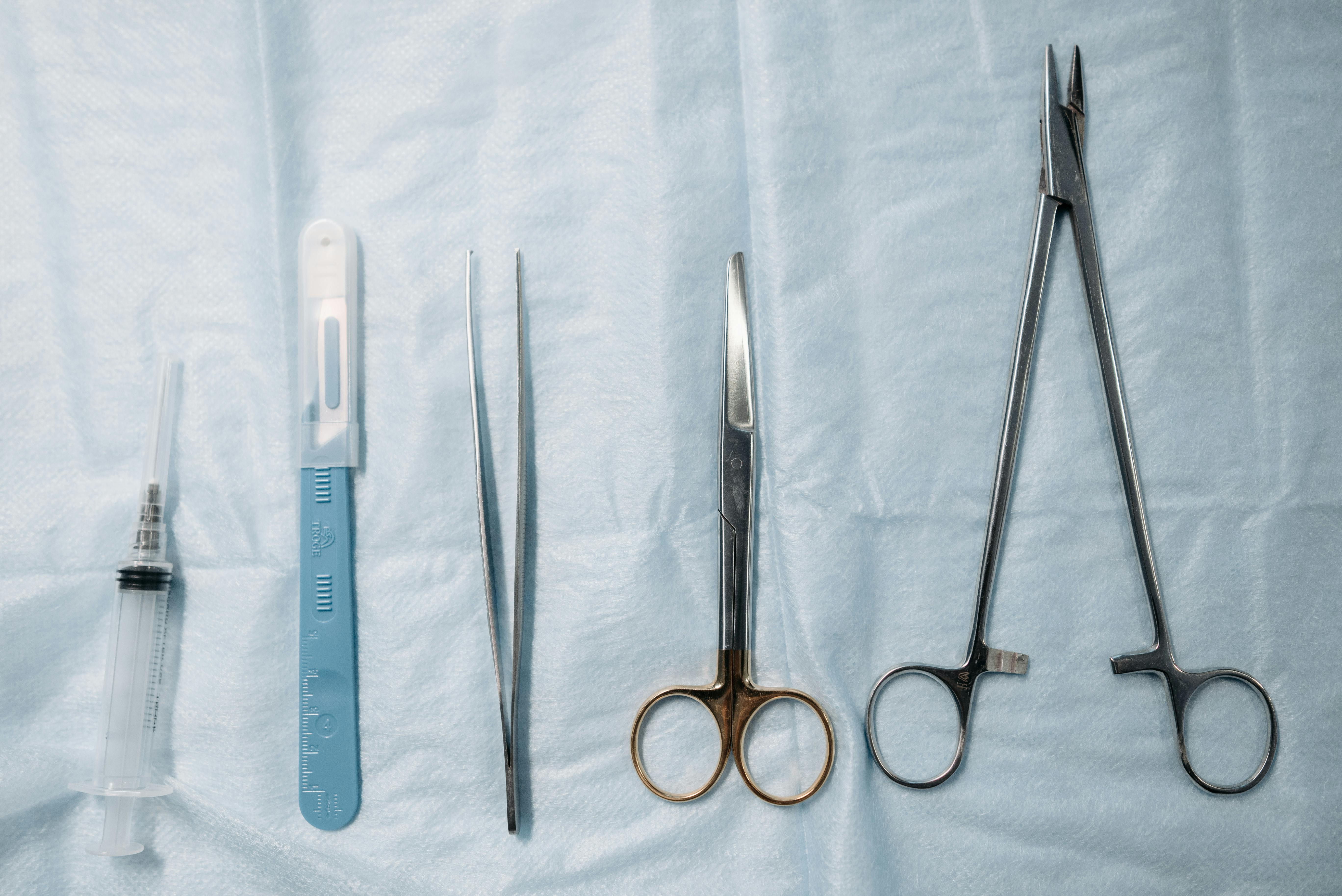
ISO 10993-1 categorizes devices by contact type (surface, external communicating, implant) and contact duration (transient <24 h, prolonged 24 h–30 d, long-term >30 d). This matrix dictates the required biological endpoints—cytotoxicity, sensitization, irritation, systemic toxicity, genotoxicity, implantation, hemocompatibility. Selecting a resin or metal with a designated supplier Master File can shorten evaluation by 4–7 months and save USD 60,000–180,000 in testing fees per project.
| Material | Typical Use | Key ISO 10993 Data | Available Sterilization Methods |
|---|---|---|---|
| Ti-6Al-4V ELI (Additive or Forged) | Orthopedic, dental implants | Implantation, genotoxicity | Steam, gamma |
| CoCrMo (Cast/DMLS) | Dental frameworks, joints | Long-term implantation | Steam, gamma |
| PEEK (Machined/Injection) | Spinal cages, instruments | Implantation >30 days | Steam, gamma, EO |
| Medical-grade Silicone LSR | Masks, seals, skin contact | Cytotoxicity, sensitization | Steam, EO, gamma |
| Polycarbonate Makrolon Rx | Housings, connectors | Cytotoxicity, limited contact | EO, gamma, e-beam |
| MED610/Dental SG Resin | Surgical guides, models | Cytotoxicity, transient contact | EO only (gamma degrades) |
Sterilization Validation Under ISO 11135, 11137, 17665
A device is not sterile because its label says it is. It is sterile because there is a validated cycle, documented under the correct ISO standard, achieving a 10^-6 sterility assurance level (SAL) for the worst-case product load. EO (ISO 11135) cycles run 14–26 hours and require residual gas testing; 25 kGy gamma (ISO 11137) degrades many resins over time; 121–134 °C steam (ISO 17665) kills PLA and softens some co-polymers. Validation typically costs USD 35,000–95,000 per product family and method, and must be re-run if material or geometric changes affect the loading pattern.
| Method | Standard | Typical Cycle | Suitable For | Avoid In |
|---|---|---|---|---|
| Ethylene Oxide (EO) | ISO 11135 | 14–26 h, 37–63 °C | Polymers, electronics | Geometries with trapped gas |
| Gamma Irradiation | ISO 11137 | 25 kGy single dose | Single-use plastic parts | POM, PTFE, some silicones |
| Steam Autoclave | ISO 17665 | 121 °C 30 min or 134 °C 4 min | Metals, PEEK, silicones | PLA, PC under high humidity |
| E-beam | ISO 11137 | 25–40 kGy | Thin-walled polymers | Dense assemblies |
| Vaporized Hydrogen Peroxide | ISO 22441 | 28–55 minutes | Low-temp heat-sensitive devices | Cellulose, deep lumens |
Matching Process to Device Class and Volume
Medical low-volume manufacturing lives in the awkward zone of 50 to 20,000 units/year—too few to amortize multi-cavity hard tooling, too many for pure single-unit additive manufacturing. The correct process depends on device classification, material-sterilization pairing, and regulatory pathway. A patient-specific cranial plate (1 per case) is DMLS titanium; a reusable laparoscopic handle (4,000 units/year) is machined 17-4PH passivated per ASTM F86; a single-use inhaler housing (120,000 units/year) is 2-cavity molded Makrolon Rx with full PQ run.
| Process | Annual Volume | Typical Devices | Tooling Cost | Unit Cost |
|---|---|---|---|---|
| Biocompatible SLA | 1–2,000 | Surgical guides, models | None | USD 45–240 |
| SLS/MJF Nylon | 50–4,000 | External instruments, braces | None | USD 30–180 |
| DMLS Ti-6Al-4V ELI | 1–1,500 | Implants, custom plates | None | USD 400–3,200 |
| Medical-grade CNC | 50–8,000 | Instruments, PEEK spacers | Fixtures USD 2k–15k | USD 40–380 |
| LSR Injection | 2,000–500,000 | Seals, masks, soft-touch parts | USD 25k–120k | USD 0.8–12 |
| Injection Molding (Single Cavity) | 5,000–80,000 | Housings, single-use disposables | USD 18k–95k | USD 0.4–6 |
Three Medical Devices and Their Underlying Decisions
Patient-Specific Cranial Plate Delivered in 11 Days
A neurosurgery unit needed a 142 x 96 mm cranial plate for a 34-year-old post-trauma patient. Process: CT scan (Day 1), image segmentation and surgeon review (Day 3), design freeze (Day 4), DMLS in Ti-6Al-4V ELI per ASTM F3001 (Day 7), CNC finish contact surfaces to Ra 0.8 μm, passivated per ASTM A967, EO sterilized per ISO 11135 (Day 10), delivered with full DHR and UDI (Day 11). Unit cost USD 4,280, compared to USD 7,900 for a traditional machined plate, with the patient entering surgery two weeks ahead of schedule. The truly important design action: the hospital had a pre-approved HDE pathway and a Master Quality Management System (MQMS) covering patient-specific units for this device family. Without that package, the same physical part would require an equivalent to a 510(k) submission on a case-by-case basis, and the patient would wait months instead of days.
Single-Use Inhaler Housing Sterilized by EO at 120,000 Units
An asthma inhaler housing using Polycarbonate Makrolon Rx 2658, produced at 120,000 units/year from a 4-cavity mold with a tooling cost of USD 68,000. After EO at 600 mg/L with a 3-hour dwell, residual ethylene glycol was 2.1 mg per unit, well below the ISO 10993-7 transient contact limit of 4 mg/unit. The team chose PC over a cheaper co-polymer because stress cracking in co-polymers under EO is a documented failure mode; the USD 0.18 material premium per unit was recouped by the savings from "not having to redo biocompatibility testing."
Reusable Laparoscopic Handle Machined for 1,000 Steam Sterilization Cycles
A reusable laparoscopic handle made of 17-4PH stainless steel, machined and passivated per ASTM F86, validated for 1,000 autoclave cycles at 134 °C for 4 minutes, with less than 3% change in surface roughness and zero functional failures. Annual volume 4,200 units, unit price USD 82. The alternative, an injection-molded PEEK version, would cost USD 34 per unit in production, but a USD 220,000 mold plus an 11-month qualification per ISO 17665 could not fit into the project's 14-month market launch window.
Mistakes That Delay Medical Projects by Half a Year
| Mistake | Why it Fails | How to Avoid |
|---|---|---|
| Selecting resin only by mechanical specs | Fails EO residue or gamma discoloration | Freeze sterilization method before resin selection |
| Building DV units outside QMS | FDA rejects design verification data | Bring suppliers into ISO 13485 flow at RFQ stage |
| Changing materials during DV stage | Triggers re-run of ISO 10993 series tests | Lock BOM at design freeze, changes are billable |
| Skipping IEC 62366-1 usability | De Novo reviewers cite insufficient human factors engineering | Plan formative and summative studies at PDR |
| No master record linking lot to serial number | DHR chain breaks during FDA audit | Deploy eDHR from first DV build |
| Validating sterilization with prototype, not production, load | PQ fails when density changes | Validate using worst-case production loading pattern |
Habits That Shorten 510(k) from 180 to 95 Days
| Do This | Avoid This |
|---|---|
| Write the intended use statement before CAD | Copy the predicate and adjust later |
| Select a predicate with a clean 510(k) file | Chase a predicate with FDA observation history |
| Use production-intent tooling for DV builds | Run verification on parts from a prototype shop |
| Run sterilization, packaging, and shelf-life tests in parallel | Run them in series, adding 7 months |
| Deploy UDI infrastructure during DV stage | Add UDI two weeks before launch |
| Conduct formative HFE with actual clinicians by month 3 | Add HFE when reviewers ask for it |
Pre-Submission Readiness Checklist
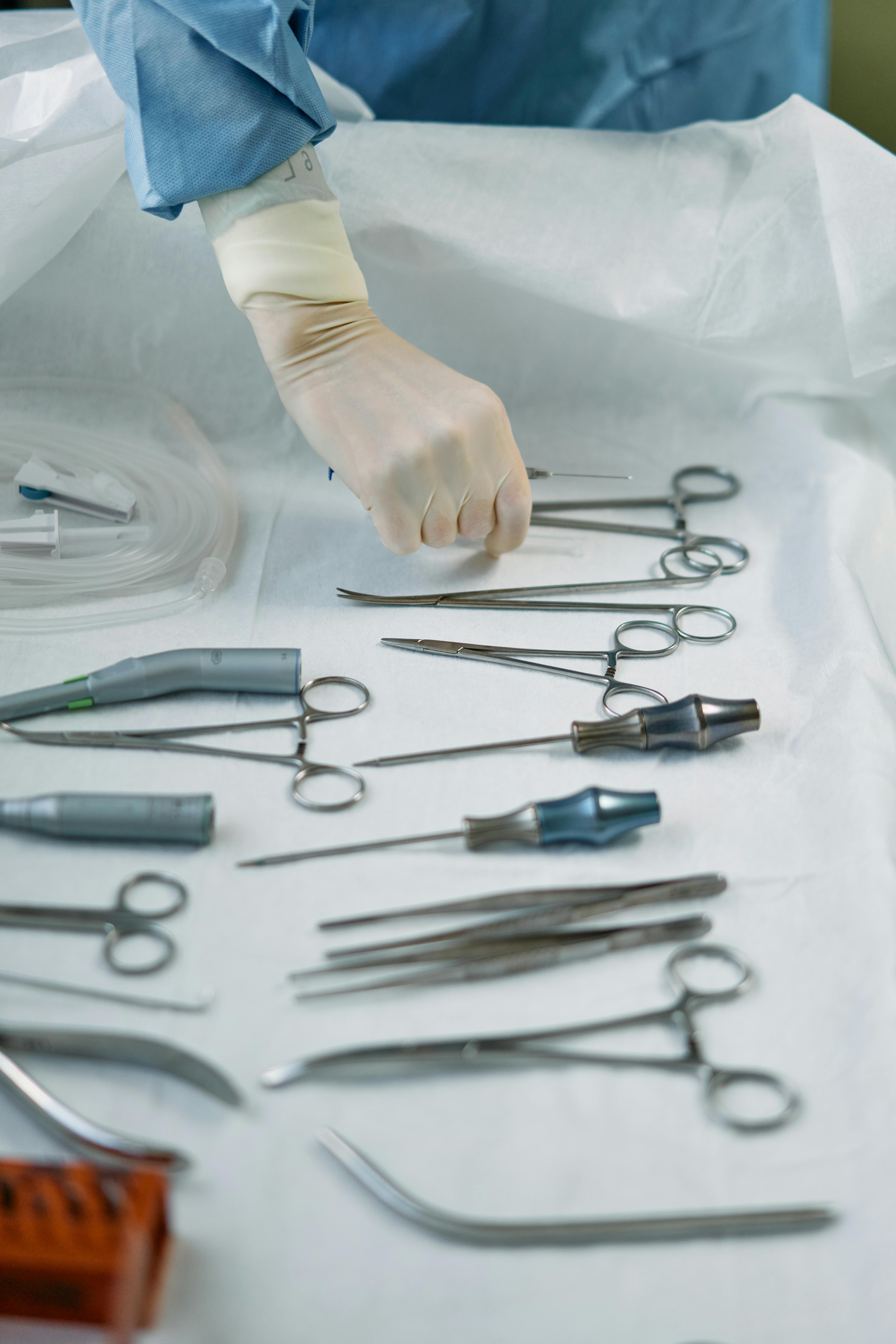
- Intended use, indications, and device classification written and internally signed off
- Predicate/reference device selected, 510(k) summary reviewed for red flags
- ISO 10993 biological evaluation plan locked in with accredited material Master File
- Sterilization method selected, validation plan drafted per ISO 11135/11137/17665
- DV builds arranged with production-intent tooling under ISO 13485 flow
- ISO 14971 risk management file updated after every design change
- IEC 62366-1 formative and summative HFE completed with clinical users
- UDI coding, packaging, shelf-life, and e-labeling infrastructure in place
Design Takeaways
Medical prototyping and low-volume manufacturing is not an accelerated version of industrial manufacturing—it is a different discipline where evidence, traceability, and sterility effectiveness take precedence over speed and unit cost. Freeze the sterilization method before the resin, lock the predicate and indication before CAD, and build DV units with production-intent tooling under ISO 13485, treating the material-sterilization pair as a first-order design decision. The projects that reach patients fastest are those that front-load regulatory work, not those that back-load it.


0 comments