
One of our consulting clients, a Tier-1 aluminum foundry, saw their 11-year engine block contract expire in 2023. They then endured an 18-month hiatus chasing an EV inverter housing opportunity, which demanded UN 38.3 compliant airtightness, a 0.05 mm flatness for the sealing track, and IATF 16949 evidence for a part they had never cast before. They ultimately secured the deal at USD 142 per unit (compared to USD 96 for the engine block), but that 18-month gap nearly put them out of business. The transition from engines to EVs is real; what truly determines a supplier's survival is the transformation within the factory walls—tolerances, thermal management, and sealing. The EV vertical is no longer a demand narrative, but a content mix story. In 2024, EVs account for over 18% of new car sales, estimated to reach 28–34% by 2027 depending on the region. But for suppliers, what truly matters is the shift in "powertrain content per vehicle" from USD 3,100 for engine + transmission to USD 4,400 for battery + inverter + motor—different parts, different tolerances, different certifications. The suppliers that will win in the next five years are those who interpret this content migration piece by piece.
Anchoring Numbers Interpreted for 2026
Regional differentiation is more critical than global averages. In 2024, EVs account for 42% of new car sales in China, 21% in Europe, and 9% in the US. OEM procurement calendars for 2027 platform launches are already locked in for 2024–2025, so the supplier economy for the next three years is largely set. Use the table below to gauge your own exposure.
| Region | 2024 EV Share | 2027 Target | Regulatory Drivers | Supplier Base Notes |
|---|---|---|---|---|
| China | 42% | 55–60% | NEV Credits, City Plates | Mature Tier-2 Battery Ecosystem |
| Europe (EU27) | 21% | 33–38% | Fleet CO2 Cap by 2035 | Over 60% of Batteries Still Imported |
| USA | 9% | 18–24% | IRA Local Content Rules | Battery + Drive Unit Reshoring |
| Japan + Korea | 12% | 22–27% | OEM-led, Hybrid-focused | Motor & Inverter Strength |
| India + Southeast Asia | 5% | 15–20% | Two-wheeler Dominated | Low-cost Cell Specifications |
| Rest of World | 3% | 8–12% | Fleet & Commercial Vehicles First | Long-tail Opportunities |
Powertrain Content Migration – Per Supplier
Disappearance and replacement are not symmetrical. An engine block supplier doesn't automatically become a battery casing supplier—the process DNA is different. The table below sorts by dollar content per vehicle and highlights adjacent opportunities that most engine/transmission suppliers can reach without significant capital expenditure.
| ICE Part | USD per Vehicle | EV Replacement | USD per Vehicle | Reachable Adjacent? |
|---|---|---|---|---|
| Engine Block + Cylinder Head | USD 320–480 | Inverter + Motor Housing | USD 260–360 | Yes, requires improved flatness |
| Transmission Case + Gears | USD 380–560 | Reducer + e-Axle Housing | USD 180–240 | Yes, relatively simple |
| Fuel System | USD 120–200 | Battery Cooling Manifold | USD 90–160 | Partially, sealing related |
| Exhaust + Catalyst | USD 220–340 | Battery Pack Lower Casing | USD 340–520 | No, sheet metal DNA |
| Starter + Alternator | USD 90–140 | 12V DC-DC | USD 60–110 | Yes, electronics ecosystem |
| Radiator | USD 70–110 | Battery Cold Plate + Chiller | USD 180–280 | Yes, brazing + AM |
Battery Thermal Management is Non-Negotiable
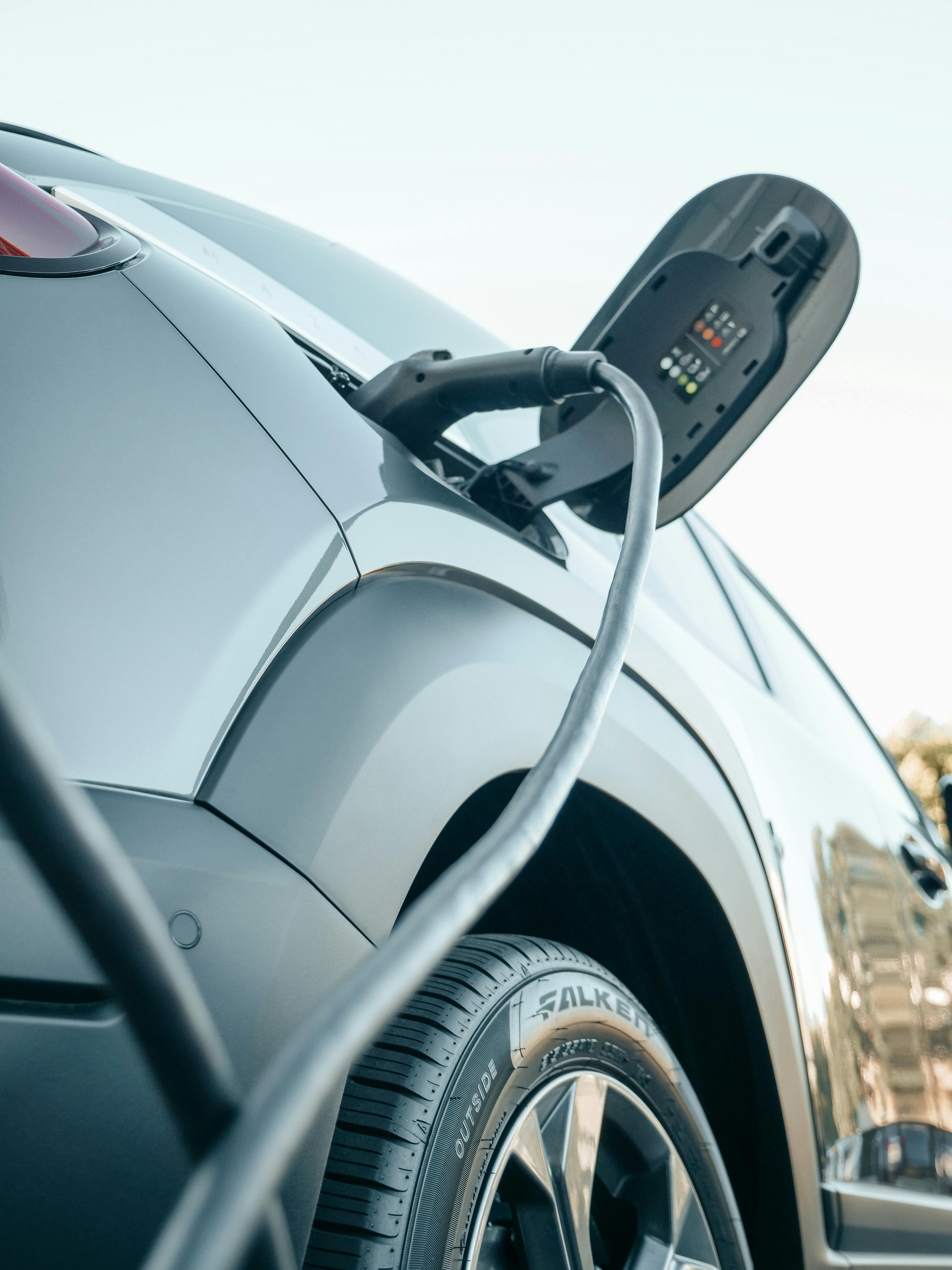
UN ECE R100.02 governs battery safety in most regulated markets, while UN 38.3 covers transport. Both establish operating ranges: during fast charging, cells must remain between 15°C and 45°C, and the pack must not pose a hazard to the occupant compartment for at least 5 minutes after a single cell thermal runaway. These two numbers dictate the entire cold plate geometry. Conformal cooling channels with wall thicknesses of 0.8–1.4 mm, combined with aluminum or copper manifolds, are the benchmark for every 2026 platform, from VW MEB to Hyundai E-GMP.
| Thermal Management Component | Typical Process | Tolerance | 2026 Per Platform Volume |
|---|---|---|---|
| Aluminum Cold Plate | Brazing or AM | Flatness 0.1 mm | 120–450K units/year |
| Copper Cooling Manifold | Brazing + CNC | Hole Diameter 0.05 mm | 80–220K units/year |
| Coolant Manifold | Injection PA | ±0.15 mm | 200–600K units/year |
| Thermal Interface Pad | Dispensing + Die-cutting | Thickness ±0.2 mm | Based on cell count |
| Pack Seal Gasket | LSR + Overmolding | Compression Set 0.3 mm | One set per pack |
| High-voltage Connector Seal | LSR | ISO 20653 IP67 | Multiple sets per pack |
Three Supplier Projects that Successfully Navigated the Transition
Radiator Manufacturer Wins USD 72M Cold Plate Project
A medium-sized Czech radiator manufacturer with 30 years of aluminum brazing experience invested USD 4.1M in 2022–2023 to improve the flatness control of 800x400 mm plates from ±0.3 mm to ±0.08 mm. They also obtained VDA 6.3 process certification to bid for OEM cold plate contracts. They secured a five-year contract for USD 72M, supplying 180,000 units annually for a European D-segment EV platform at USD 78 per unit. Their existing radiator production line, with a unit price of USD 44, continues to operate in parallel, as ICE vehicle volumes have not declined as sharply as headlines suggest. This project was won based on three specific capabilities: sub-micron brazing, post-brazing flatness ≤0.1 mm, undetectable leak rates at 10⁻⁶ mbar·L/s in 3-bar leak tests, and PPAP Level 4 including full-speed trial production. A truly critical design move: the winning supplier designed the manifold so that OEMs could reallocate cooling flow to individual cells via software without retooling. This feature transformed a commodity cold plate into a platform-generation component, extending the contract option by two years.
A Taiwanese CNC Manufacturer Printing 14,000 Inverter Housings Annually
A Taichung-based CNC factory, originally machining engine mounts for a Japanese Tier-1, installed a Nikon SLM 500 metal printer in 2023 (installation cost USD 1.4M). They now supply 14,000 AlSi10Mg aluminum inverter housings annually to a Hyundai E-GMP sub-platform, at USD 210 per unit. The same geometry machined from a solid block would cost USD 340. The AM solution also allowed them to integrate 7 machined parts into 1, remove 14 O-rings from the BOM, and reduce assembly time by 38%.
Connector Manufacturer Pre-qualifies Two Busbar Families
A Korean connector manufacturer, seeing a crowded high-voltage connector market, pivoted to busbars in 2022. They pre-qualified two 400V and one 800V copper busbar families with four OEMs before securing any contracts, investing USD 2.6M in R&D. In 2024, they converted three of these into five-year deals totaling USD 31M. The lesson: complete certification before the RFQ, reducing the procurement calendar from 14 months to 4 months.
Lightweighting is Paid for by Range, Not Cost
Every kilogram reduced in an EV extends the battery's burden by approximately 3–5 Wh/km, which, at USD 110/kWh, translates to USD 6–12. This means a lightweighting measure costing USD 8 per vehicle and saving 1.5 kg in weight generates positive revenue for the OEM even before considering battery down-sizing options. This is why aluminum giga-casting, composite upper bodies, and topology-optimized brackets continue to be specified despite higher unit prices.
How the 2026 OEM Procurement Calendar Actually Plays Out
Taking an OEM project launching in 2028 as an example, the procurement process is: RFI in Q2 2025, RFQ in Q4 2025, award in Q2 2026, PPAP in Q2 2027, SOP in Q1 2028. Suppliers who start building capabilities only at the RFQ stage have already missed the window. What truly gets you on the RFI list is demonstrating capability before the RFI—prototypes, VDA audits, cost models. Miss it, and the next opportunity is for the 2030 platform.
Do's and Don'ts for EV Supplier Base Transformation
| Do's | Don'ts |
|---|---|
| Choose adjacent opportunities that align with your process DNA | Chase every EV opportunity |
| Get certified and obtain prototypes before RFQ to get an RFI entry ticket | Start building capabilities only at RFQ |
| Align CAPEX with specific platform content, not industry average | Use 28% sales share as a planning figure |
| Run ICE lines in parallel for another 5–8 years | Prematurely shut down ICE capacity |
| Treat UN ECE R100 and UN 38.3 as design inputs | Learn at PPAP stage |
| Design software configurability (flow, voltage) as a moat | Ship commodity parts, compete only on price |
Common Mistakes in EV Transition
| Mistake | Why it Fails | How to Avoid |
|---|---|---|
| Assuming engine block → battery casing is a direct transition | Different DNA (casting vs. sheet metal) | Map adjacencies by process, not product |
| Competing for cold plate market share on low price | Flatness rework eats up gross margin | Clearly price the 0.08 mm flatness upgrade |
| Skipping IATF 16949 for "fast" EV projects | OEMs will not clear PPAP | Obtain certification before RFI |
| Ignoring the ICE tail | Revenue collapse midway through transition | Plan for a 5–8 year ICE tail |
| Betting on a single platform | Collapse if OEM project is delayed | Certify for at least 3+ platforms simultaneously |
| Treating thermal management as an NTE limit | UN ECE R100 requires design evidence | Make thermal models a PPAP deliverable |
Pre-Decision Checklist for EV Bids
- Map your process DNA to at least two specific EV adjacent opportunities, with USD content per vehicle
- Ensure IATF 16949 and VDA 6.3 evidence are ready before any RFI submission
- List thermal management (UN ECE R100) and transport (UN 38.3) requirements as clear design inputs
- Budget 3–6% of the expected contract value for pre-RFQ capability demonstration
- Lock in cold plate flatness ≤0.1 mm and leak rate 10⁻⁶ mbar·L/s before bidding
- Plan for a 5–8 year parallel ICE tail; do not prematurely shut down lines
- Certify the same part for at least 3 OEM platforms to absorb any project delays
- Price lightweighting at USD 6–12/kg for range, not by material cost difference
Design Insights for EV Transition
The EV transition rewards suppliers who interpret content migration piece by piece, map their process DNA to reachable adjacencies, and build capabilities before, not after, the RFQ. Regional adoption rates, battery thermal management regulations, and OEM procurement calendars are the three numbers that structure the next three years. Get these three right, and keep the ICE tail running in parallel, and the transition will be a gross margin event, not a survival event.


0 comments